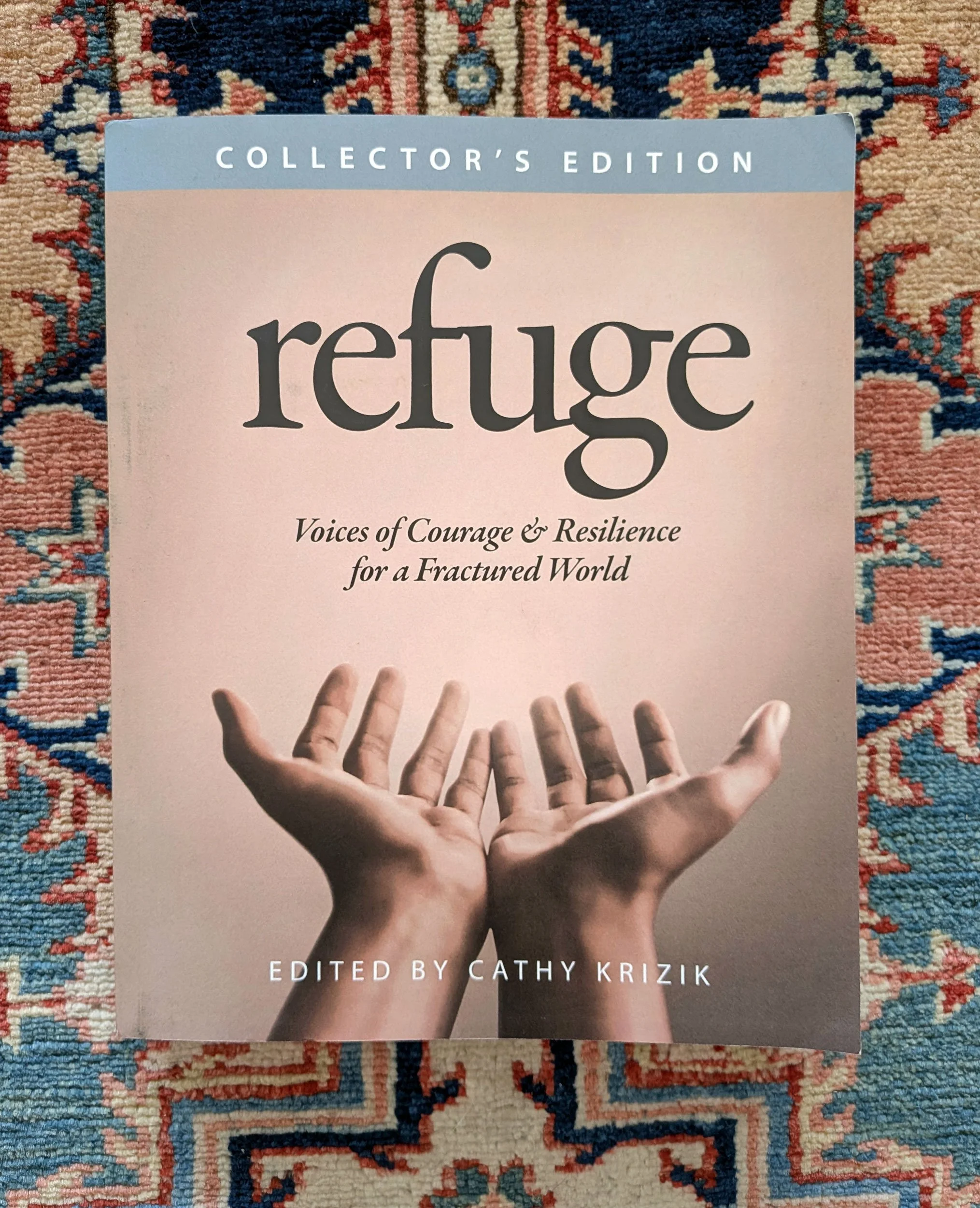
I’m in a book!
Read MoreI’m in a book!
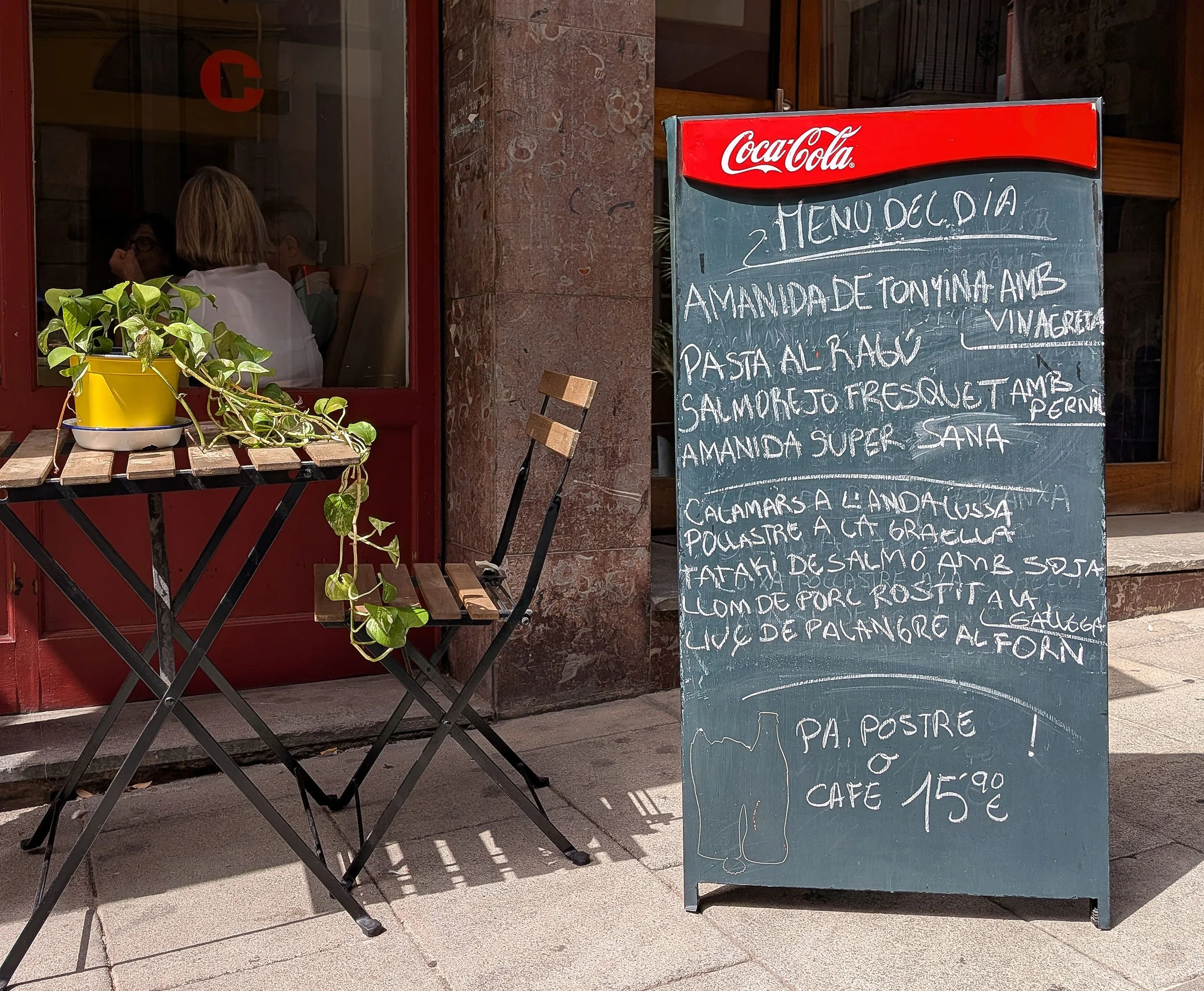
Read MoreFrom Franco-era mandate to daily ritual, Spain’s menú del día is far more than an affordable two-course meal – it is a masterclass in environmental design.
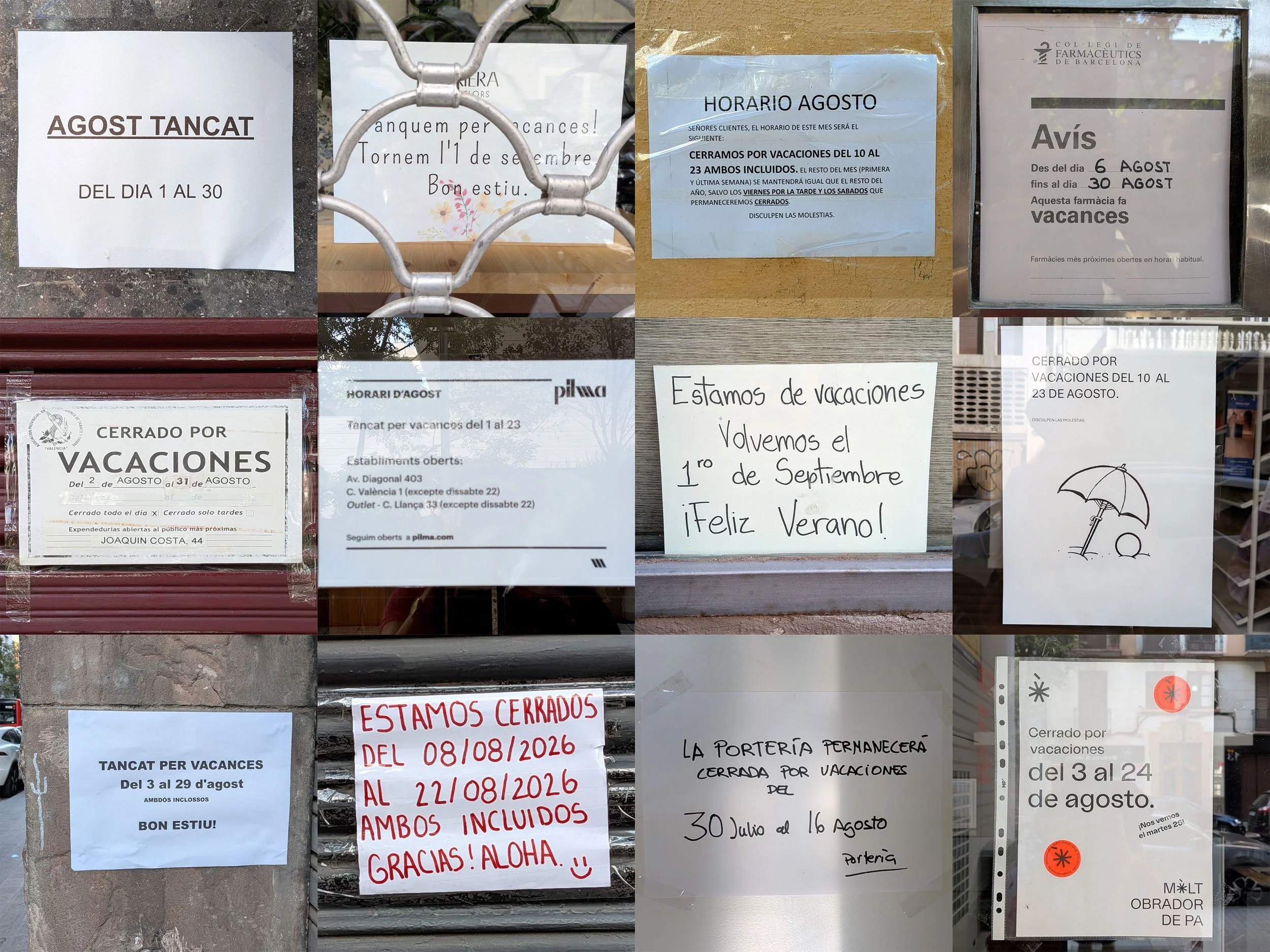
Read MoreEvery August, my Barcelona neighborhood slows down — tancat per vacances signs on every third door — even as tech leaders insist that mattering requires 80-hour work weeks. It’s a slowing down that can be frustrating at times but one that also offers a different way to think about what a productive life looks like.
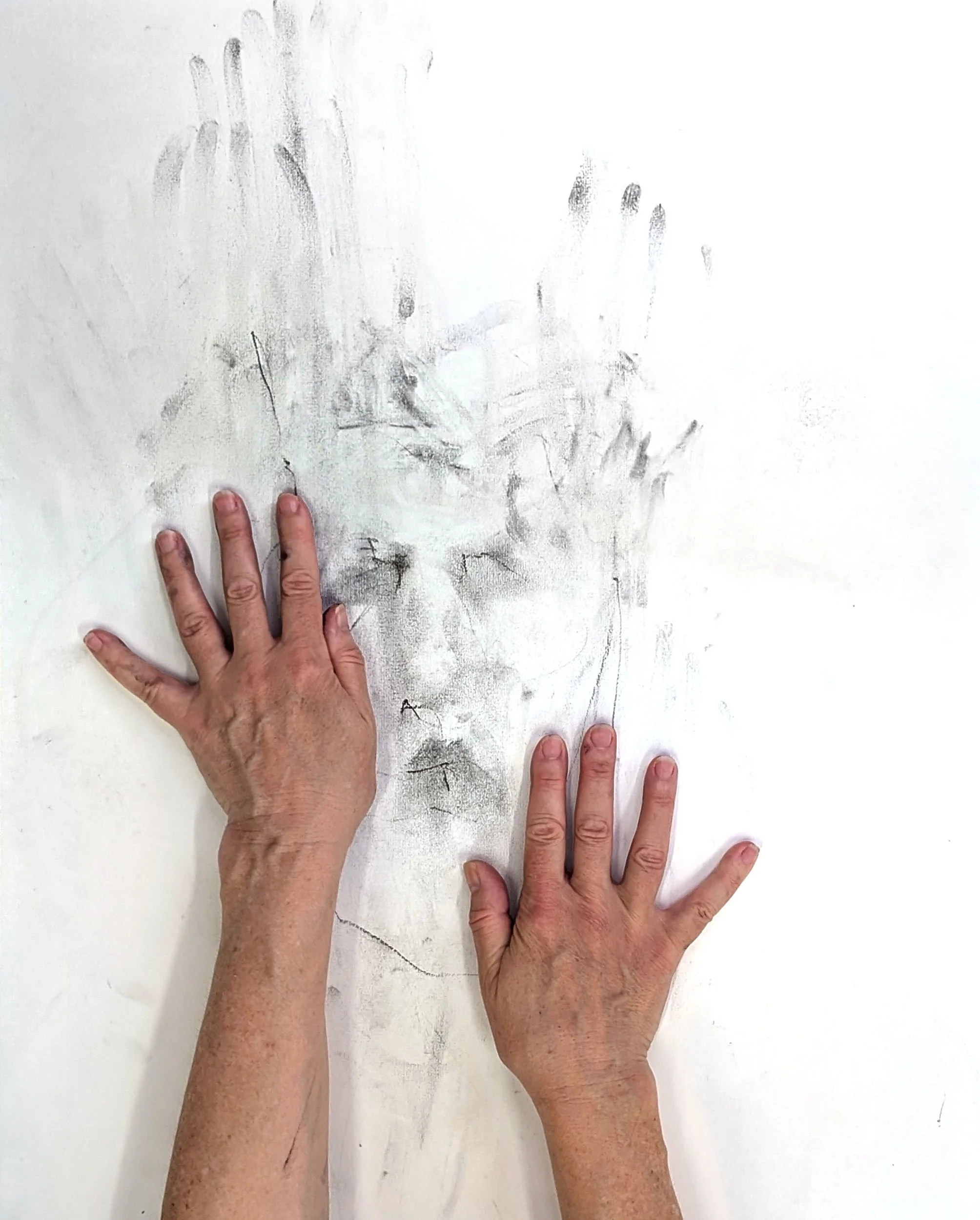
Read MoreThinking doesn’t just happen inside our heads – it’s a whole-body experience. As we rush to embrace AI, let’s not forget about the handy embodied thinking partners that have been helping us all along.
Read MoreI felt I had a good sense of what my new body of artwork was all about, but when I tried to set it down in a coherent artist statement, I realized that I was wrong. It was tempting to turn to AI to make things easier. But what would happen if I turned to AI to make things harder instead?
Read MoreThere is a lot of talk about using AI as a “thought partner,” but how much do you really know about who you are collaborating with? Is your partner going to help build your understanding and bring out your best work? Or are they more like that annoying school project partner who just ends up dragging you down?
Read MoreMaking art can pop your brain out of habitual ways of seeing and thinking. Here are three accessible, no-talent-required art activities — to do alone or in a group – to help your brain notice what it has been ignoring.
Read MoreMost museum advice tells you to plan ahead, pace yourself, and hit the highlights. This post offers something different: what actually happens in the brain when we look at art, and how artists — and one fictional grandfather with an urgent mission — approach the experience of seeing.
Read MoreA visit to the Uffizi left me less interested in the paintings than in the people looking at them. What I noticed got me thinking about how the brain actually sees, what happens when we stop observing, and why it matters beyond the walls of a museum.
Read MoreIn a San Francisco bead shop many years ago, my friend and I learned first hand about the paradox of choice and how going for “good enough” rather than the “best” – a strategy called satisficing – can be a way forward in the face of overwhelming information and choice.
Read MoreMuddling may sound like a poor way to make decisions or live a life. But the art of muddling through – in the sense of taking incremental experimental steps based on experience, intuition, and opportunity – can serve us well when journeying through a complex and uncertain world.
Read MoreA chance remark by a painter I admire sent me down a rabbit hole from which I am only just emerging. And now that I think about it, that is exactly what this post is about. What is the difference between meaningful exploration and creative procrastination? How can we resolve the tension between chasing the new and buckling down to work? Is there a magic allocation of time or is there perhaps something better?
Read MoreSupportive Environments for a New Year, Part 3
When we think of environment, “time” is not usually something that comes to mind. And yet our temporal environment – the way we structure, manage, and collectively define time – has a huge impact on what we do and how effective we are doing it. How can we think about shaping our temporal environment to better support ourselves?
Supportive Environments for a New Year, Part 2
As part of my ongoing exploration of how to reshape my environments to support my 2026 resolutions and intentions, I consider the formidable power of the information environment. What does my world of information look like? How might I reshape it to better support my needs and intentions?
Supportive Environments for a New Year, Part 1
Resolutions and intentions are easy to make but hard to convert into action and change. So, I’m starting the year off by going back to basics which, as an environmental psychologist and artist, means taking a hard look at my studio environment and pondering how I can get it to better support me in doing the things I want to do.